Waipapa Eyecare - Optometrists
  • Home
  • About
    • Meet the People
    • OCT - Optical Coherence Tomography
    • Zeiss Visufit 1000
    • 70% Off Replacement Lenses
    • Take a 3D Look around
  • Eye Health
    • Myopia - Nearsightedness
    • Hyperopia - Farsightedness
    • Astigmatism
    • Presbyopia
    • Dry Eye
    • Cataracts
    • Glaucoma
    • Macula Degeneration
    • Flashes and Floaters
    • Retinal Detachment
    • Macula Hole
    • Diabetic Retinopathy
    • Keratoconus
  • Eye Exams
    • Our Eye Exam Standard
    • Contact Lens Exams
    • Eye Exams For Kids
  • About Glasses
    • Frames
    • Frames & Face Shape
    • Lens Designs
    • Lens Options
    • Thinner Lenses
    • Cleaning Your Glasses
  • Contact
  • FAQ
    • Privacy Policy
  • Book Now
    • Become a Client

Hyperopia - Farsightedness 

Common vision condition

Hyperopia - Farsightedness

Hyperopia can make close work harder, and in some cases distance vision may also be affected.

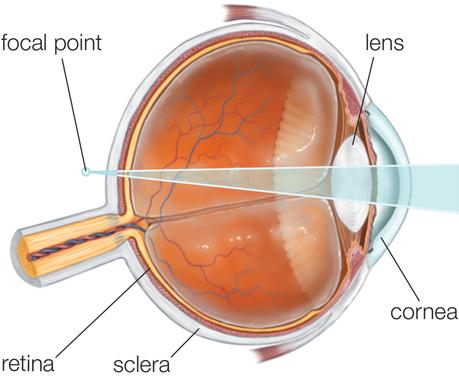
Hyperopia, often called farsightedness or long-sightedness, happens when the eye does not focus light strongly enough for the length of the eye.

This means light would focus behind the retina instead of directly on it. The eyes may then have to work harder, especially for reading, screens, schoolwork, or other close tasks.

Book Online Eye Exams for Kids
Diagram showing hyperopia where light would focus behind the retina Hyperopia - light would focus behind the retina
Click image to view larger

What causes hyperopia?

Hyperopia is usually related to the shape and focusing power of the eye.

Eye length

The eye may be slightly shorter than ideal, meaning light would focus behind the retina rather than directly on it.

Cornea or lens power

The cornea or lens may not focus light strongly enough for the length of the eye.

Near vision effort

The eyes may need to work harder to focus, especially for close tasks such as reading, computer work, phones, or schoolwork.

Hyperopia can vary from person to person

Some people with mild hyperopia may not notice symptoms, while others may experience blur, eyestrain, headaches, or difficulty keeping close vision comfortable. Regular eye exams help check whether correction is needed.

Possible signs of hyperopia

Symptoms can vary depending on age, prescription strength, focusing ability, and how much close work you do.

Blurred near vision

Reading, screens, phone use, craft work, or other close tasks may look blurry or become uncomfortable.

Eyestrain or headaches

Some people notice tired eyes, headaches, aching, or burning eyes after close work.

Trouble concentrating

Children and adults may avoid close tasks or find reading harder to maintain because their eyes are working harder to focus.

How the eye focuses light in hyperopia and how glasses or contact lenses may correct it Click image to view larger

How the eye focuses light

For clear vision, light needs to focus accurately on the retina at the back of the eye.

In hyperopia, light would focus behind the retina. This can make near vision more difficult and may sometimes affect distance vision too.

Glasses or contact lenses can help by adjusting the focus so images fall more accurately on the retina while they are being worn.

Hyperopia in children

Children may not realise their vision is working harder than it should. They may avoid reading, lose concentration, complain of headaches, or have difficulty with close schoolwork.

Some children are naturally a little farsighted when young, but higher or symptomatic hyperopia may need careful assessment and correction.

Read about eye exams for kids

Hyperopia and eye comfort

Hyperopia can affect more than just clarity. It can also affect how hard the eyes need to work throughout the day.

Close work comfort

Reading, computer work, study, and phone use can become tiring if the eyes are constantly working to focus.

Eye coordination

In some children, uncorrected hyperopia can place extra demand on eye focusing and eye teaming.

Read about eye exams for kids

Ongoing monitoring

Regular eye exams help monitor your prescription, focusing ability, and eye health over time.

Read about OCT eye scans

Seek urgent advice for sudden symptoms

Please phone us promptly if you notice sudden vision changes, flashes, floaters, eye pain, new distortion, sudden vision loss, or a shadow or curtain in your vision.

These symptoms can have several causes, but they should not be ignored.

How hyperopia may be corrected

The best option depends on your prescription, age, eye health, lifestyle, and how you use your vision day to day.

Glasses

Glasses are a common way to correct hyperopia. They can reduce blur and help make close work more comfortable.

Choosing frames

Contact lenses

Contact lenses may be suitable for some people with hyperopia, depending on prescription, eye health, comfort, and lifestyle.

Contact lens exams

Other options

Some adults ask about refractive surgery. Suitability depends on prescription, corneal health, age, and specialist assessment.

Related vision conditions

Hyperopia can occur on its own or alongside other focusing conditions.

Myopia

Myopia, or nearsightedness, usually makes distant objects look blurry while close objects are clearer.

Read about myopia

Astigmatism

Astigmatism is caused by uneven focusing power and can cause blur or distortion at different distances.

Read about astigmatism

Presbyopia

Presbyopia is the normal age-related change that makes near focusing harder, usually becoming noticeable from around the 40s.

Read about presbyopia

Do all farsighted people need glasses?

Not always. Some people with mild hyperopia may see comfortably without correction, while others benefit from glasses or contact lenses, especially for close work.

Can hyperopia affect distance vision?

Yes. Although hyperopia often affects near vision first, higher amounts can also make distance vision blurry or uncomfortable.

Why do my eyes get tired when reading?

With hyperopia, the eyes may need to use extra focusing effort for near tasks. This can lead to tired eyes, headaches, blur, or reduced concentration.

Can children have hyperopia?

Yes. Some children have mild hyperopia as part of normal development, but higher or symptomatic hyperopia should be assessed with a proper eye exam.

Concerned about farsightedness?

You can book online, phone us, or call in and see us at Waipapa Eyecare.

Monday to Friday: 9am - 5pm
Phone: 09 407 1065
Email: [email protected]
Book Online Contact Us

For urgent eye problems, sudden vision changes, flashes, floaters, eye pain, or injury, please phone us rather than using online booking.

Common vision condition

Hyperopia - Farsightedness

Hyperopia can make close work harder, and in some cases can affect distance vision too.

Hyperopia, often called farsightedness or long-sightedness, is when the eye’s focusing system does not bring light to focus clearly on the retina without extra effort.

Some people with hyperopia can see clearly for a while by using extra focusing effort. Others notice blur, eyestrain, tired eyes, headaches, or difficulty with reading and close work.

Book Online Eye Exams for Kids
Diagram showing hyperopia where light focuses behind the retina Hyperopia - light focuses behind the retina

What causes hyperopia?

Hyperopia is usually related to the shape and focusing power of the eye.

Eye length

The eye may be slightly shorter than ideal, meaning light would tend to focus behind the retina rather than directly on it.

Cornea or lens power

The cornea or lens may not have enough focusing power for the length of the eye.

Extra focusing effort

Some people can compensate by focusing harder, but this can lead to tired eyes, headaches, or discomfort with close work.

Hyperopia is not always obvious

Some people with hyperopia can pass a basic distance vision check, especially when they are young, because they can use extra focusing effort. A full eye exam gives a better understanding of how the eyes are working.

Possible signs of hyperopia

Symptoms vary depending on age, prescription strength, and how much focusing effort your eyes can comfortably manage.

Close work symptoms

Reading, phone use, computer work, or detailed near tasks may feel tiring, uncomfortable, or blurry.

Eye strain and headaches

Aching eyes, burning eyes, tired eyes, or headaches after close work can be associated with uncorrected hyperopia.

Blurred vision

Close vision may be blurry, and with higher levels of hyperopia, distance vision may also be affected.

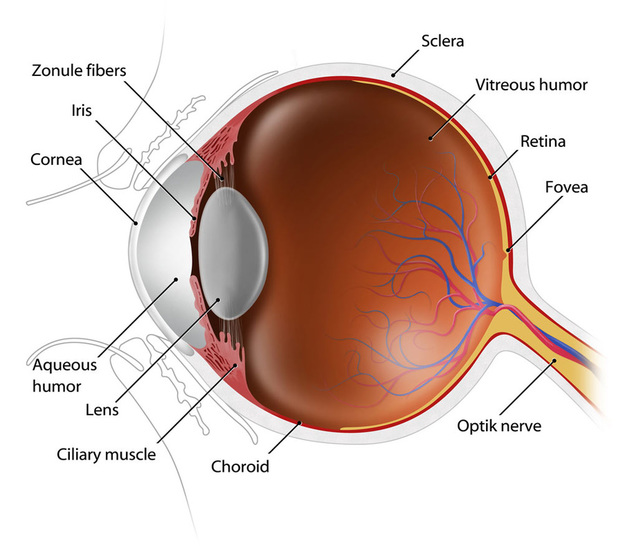
Eye anatomy diagram showing the retina and focusing structures

How the eye focuses light

For clear vision, light needs to focus accurately on the retina at the back of the eye.

In hyperopia, the eye’s shape or focusing power means the focus would fall behind the retina unless the eye compensates. This extra effort can be comfortable for some people, but tiring for others.

Glasses or contact lenses can help by adjusting the focus so the eyes do not need to work as hard.

Hyperopia in children

Many young children have a small amount of hyperopia, and not all of it needs treatment. However, higher amounts of hyperopia can sometimes affect reading comfort, concentration, eye coordination, or vision development.

Children may not know their vision is blurry. They may avoid reading, lose concentration with close work, complain of headaches, sit very close, or appear tired after school.

Read about eye exams for kids

How hyperopia may be corrected

The best option depends on your prescription, age, symptoms, eye health, and how you use your vision day to day.

Glasses

Glasses are a common way to correct hyperopia. They may be worn full time or for specific tasks, depending on the prescription and symptoms.

Choosing frames

Contact lenses

Contact lenses may be suitable for some people with hyperopia, depending on prescription, eye health, comfort, and lifestyle.

Contact lens exams

Other options

Some adults may ask about refractive surgery. Suitability depends on prescription, corneal health, age, and specialist assessment.

Related vision conditions

Hyperopia can occur on its own or alongside other focusing conditions.

Astigmatism

Astigmatism is caused by uneven focusing power and can cause blur or distortion at different distances.

Read about astigmatism

Presbyopia

Presbyopia is the normal age-related change that makes near focusing harder, usually becoming noticeable from around the 40s.

Read about presbyopia

Myopia

Myopia, or nearsightedness, is different from hyperopia. It usually makes distance vision blurry while near vision is clearer.

Read about myopia

Do all farsighted people need glasses?

Not always. It depends on the amount of hyperopia, symptoms, age, eye coordination, and whether the eyes are working comfortably.

Can children grow out of hyperopia?

Some children’s eyes change as they grow, and a small amount of hyperopia may reduce over time. Higher amounts or symptomatic hyperopia may need monitoring or correction.

Why do my eyes feel tired when I can still see?

You may be using extra focusing effort to keep things clear. That effort can cause tiredness, headaches, or difficulty sustaining close work.

Do lenses for hyperopia get thick?

Higher hyperopia prescriptions can create lenses that are thicker in the centre. Lens design, frame choice, and lens material can help manage thickness and appearance.

Read about thinner lenses

Concerned about farsightedness?

You can book online, phone us, or call in and see us at Waipapa Eyecare.

Monday to Friday: 9am - 5pm
Phone: 09 407 1065
Email: [email protected]
Book Online Contact Us

For urgent eye problems, sudden vision changes, flashes, floaters, eye pain, or injury, please phone us rather than using online booking.

```
Become a Client New Client

Waipapa Eyecare

Locally owned, independent optometry care in Waipapa. We provide thorough eye exams, modern diagnostic technology, quality lenses, and practical advice for your vision and eye health.

Book Online Privacy Statement

For urgent eye problems, sudden vision changes, flashes, floaters, eye pain, or injury, please phone us rather than using online booking.

Contact

Phone: 09 407 1065
Email: [email protected]
Hours: Monday to Friday, 9am - 5pm

Shop 8, 12 Klinac Lane
Waipapa, Kerikeri 0230

Quick links

  • Home
  • Our Eye Exam Standard
  • OCT Eye Scans
  • Zeiss Visufit 1000
  • Diamond Plus Offer
  • Privacy Statement
  • Contact Us
© 2021-2026 Waipapa Eyecare. All rights reserved.
Privacy Statement  |  Website content is general information only and does not replace personalised optometry advice.
  • Home
  • About
    • Meet the People
    • OCT - Optical Coherence Tomography
    • Zeiss Visufit 1000
    • 70% Off Replacement Lenses
    • Take a 3D Look around
  • Eye Health
    • Myopia - Nearsightedness
    • Hyperopia - Farsightedness
    • Astigmatism
    • Presbyopia
    • Dry Eye
    • Cataracts
    • Glaucoma
    • Macula Degeneration
    • Flashes and Floaters
    • Retinal Detachment
    • Macula Hole
    • Diabetic Retinopathy
    • Keratoconus
  • Eye Exams
    • Our Eye Exam Standard
    • Contact Lens Exams
    • Eye Exams For Kids
  • About Glasses
    • Frames
    • Frames & Face Shape
    • Lens Designs
    • Lens Options
    • Thinner Lenses
    • Cleaning Your Glasses
  • Contact
  • FAQ
    • Privacy Policy
  • Book Now
    • Become a Client