Lens Designs
The right lens design depends on your prescription, how you use your eyes, and the frame you choose.
As an independent practice, Waipapa Eyecare can offer a range of lens designs and options to suit different vision needs, lifestyles, and prescriptions.
We will explain your options clearly and help you choose lenses that are suitable for how you use your glasses day to day.
Different lenses for different visual tasks
Some people need one pair for everything. Others are better served with different lens designs for different tasks, such as driving, reading, computer work, or hobbies.
Distance
Distance-focused lenses may be used for driving, watching sport, seeing signs, or general outdoor use.
Near
Near-focused lenses are commonly used for reading, handwork, phones, or other close tasks.
Intermediate
Intermediate vision is often important for computer screens, dashboards, music stands, workbenches, and many workplace tasks.
We only recommend a lens design if it makes sense for you
Lens design choice should be based on your prescription, work, hobbies, frame choice, budget, and expectations. We will talk through the pros and limits of each option so you know what to expect.
Common lens designs
These are some of the main lens designs used in everyday glasses.
Single vision lenses
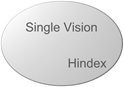
Single vision lenses have one main prescription across the lens. They may be used for distance, reading, computer work, or another specific working distance.
They are often the simplest lens design and can work very well when one viewing distance is the priority.
Progressive / varifocal lenses
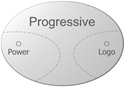
Progressive lenses provide a gradual change in power from the top of the lens to the lower part of the lens. This allows distance, intermediate, and near vision zones in one pair of glasses.
They do not have a visible segment line, but they do require accurate fitting and an adaptation period for some wearers.
Bifocal lenses
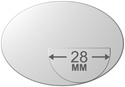
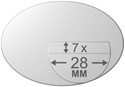
Bifocal lenses usually have distance vision in the upper part of the lens and a visible segment for near vision in the lower part.
Some people still prefer bifocals because the reading area is clearly defined and familiar.
Progressive lenses need careful frame choice and measurement
Progressive lenses require enough frame depth and accurate fitting measurements. We generally look for at least 18mm from the pupil centre to the bottom of the frame for progressive lenses.
We also use digital measurement technology to help measure how your chosen frame sits on your face.
Progressive lens design levels
Progressive lens technology has improved over time. Different designs can offer different field widths, comfort, and customisation options.
Standard progressives
Standard progressive lenses can provide distance, intermediate, and near zones, but the usable areas may be more limited than newer designs.
Premium / advanced designs
More advanced progressive designs may provide wider useful areas and improved comfort compared with older basic designs, depending on the prescription and frame.
Digital / personalised designs
Digital and personalised designs can use extra measurements to better match the lens to the frame, prescription, and wearer.
Our approach to progressive lenses
At Waipapa Eyecare, we generally recommend higher quality progressive lens designs rather than basic designs, because they can provide better performance and comfort for many wearers. We will still discuss what is appropriate for your prescription, frame, visual needs, and budget.
Specialised lens designs
Some tasks are better served by a dedicated lens design rather than one general-purpose pair.
Computer lenses
Computer or office lenses can be designed to prioritise screen and desk distances, rather than distance vision.
Reading lenses
Reading lenses can provide a clear, wide near area for books, phones, crafts, and close work.
Task-specific lenses
Some people benefit from lenses designed for a particular task, such as driving, music, workshop use, hobbies, or occupational needs.
Can one pair do everything?
Sometimes, but not always. Progressive lenses can be a good all-round option for many people, but some tasks may still be easier with a dedicated pair.
Why do progressive lenses take time to adapt to?
Progressive lenses have different viewing zones and some peripheral distortion. Most people adapt well, but the experience varies between lens designs and wearers.
Are bifocals outdated?
Not necessarily. Many people prefer progressive lenses, but bifocals can still be suitable for some wearers and some visual needs.
Do lens options matter too?
Yes. Lens design is only one part of the choice. Coatings, lens thickness, photochromic options, polarisation, tinting, and frame choice can all affect the final result.
Need help choosing lenses?
You can book online, phone us, or call in and see us at Waipapa Eyecare.
For urgent eye problems, sudden vision changes, flashes, floaters, eye pain, or injury, please phone us rather than using online booking.