Diabetic Retinopathy
Diabetes can affect the small blood vessels at the back of the eye, sometimes before vision changes are noticed.
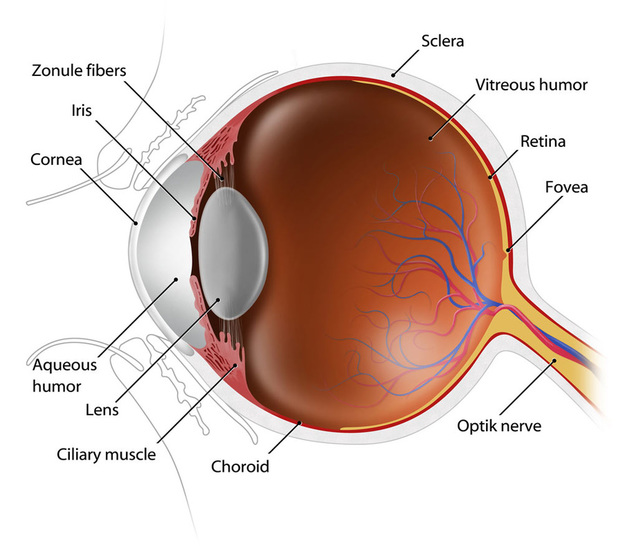
Diabetic retinopathy is an eye condition where diabetes damages blood vessels in the retina. The retina is the light-sensitive layer at the back of the eye.
Early diabetic eye changes may not cause symptoms, so regular retinal screening and eye health checks are important even when your vision seems normal.
Sudden vision changes should be checked promptly
Please phone us promptly if you notice sudden blurred vision, sudden vision loss, new floaters, a dark patch, distortion, eye pain, or any sudden change in one or both eyes.
These symptoms do not always mean diabetic retinopathy, but they should not be ignored.
How diabetes can affect the eyes
Diabetes can affect the blood vessels and tissues inside the eye in several ways.
Retinal blood vessels
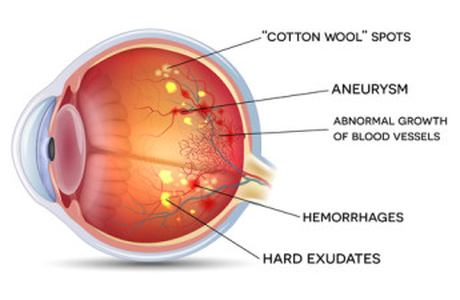
Diabetes can damage the small blood vessels in the retina, causing bleeding, leakage, swelling, or areas with poor blood supply.
Macula swelling
If leakage affects the macula, the central part of the retina used for detailed vision, reading and fine detail may become blurred.
Other eye conditions
Diabetes can also be associated with cataracts, glaucoma, dry eye, and changing prescriptions.
Good vision does not always mean there are no diabetic eye changes
Early diabetic retinopathy may not affect vision. Regular screening is important because treatment and monitoring are usually more effective when problems are found early.
What happens in diabetic retinopathy?
When retinal blood vessels are damaged, they may leak blood or fluid, become blocked, or trigger growth of abnormal new blood vessels.
Some changes are mild and monitored. Other changes can threaten vision and may need specialist treatment.
A diabetic eye assessment looks for signs of bleeding, leakage, swelling, new vessel growth, and changes at the macula.
Possible symptoms
Diabetic eye disease may have no symptoms at first. Symptoms, when they occur, can vary depending on the area affected.
Blurred or fluctuating vision
Vision may blur, fluctuate, or seem harder to keep clear, especially if blood sugar levels are changing or the macula is affected.
Floaters or dark spots
Bleeding inside the eye can sometimes cause new floaters, dark spots, shadows, or cloudy vision.
Distortion or missing vision
Macula swelling or other retinal changes can cause distortion, reduced central vision, or missing areas.
New floaters or sudden blur need prompt attention
If you have diabetes and notice sudden new floaters, a dark cloud, sudden blur, distortion, or reduced vision, please seek prompt advice.
New flashes, a curtain or shadow, or missing vision should also be treated urgently.
Retinal screening and eye exams
Diabetes eye care often involves both regular diabetic retinal screening and normal optometry eye exams.
Diabetic retinal screening
In New Zealand, diabetic retinal screening is commonly arranged through public screening programmes and is designed to detect diabetic eye changes before vision loss occurs.
If you have diabetes and are not enrolled in a retinal screening programme, ask your GP or diabetes care provider about referral.
Optometry eye exams
A complete eye exam also checks your prescription, vision, eye comfort, eye pressure, lens clarity, retina, macula, and general eye health.
How diabetic eye changes are checked
Several tests may be used depending on your symptoms, diabetes history, screening results, and eye health findings.
Retinal imaging
Retinal photography helps document the appearance of the blood vessels, macula, optic nerve, and retina.
OCT imaging
OCT gives a detailed cross-section of the macula and retina. It can help detect swelling or structural changes that may not be obvious from vision alone.
Dilated retinal examination
Dilating drops may be recommended when a wider or more detailed view of the retina is needed.
Our complete eye exam includes retinal imaging and OCT
At Waipapa Eyecare, our complete eye exam includes retinal imaging and OCT. These tests can help assess the macula and retina, and they can be compared over time where appropriate.
If diabetic eye changes are seen, we can explain the findings and discuss whether monitoring, further testing, retinal screening follow-up, or referral is appropriate.
Reducing risk
Diabetes eye risk is affected by general health, diabetes duration, blood glucose control, blood pressure, cholesterol, and attendance at screening.
Attend screening
Regular diabetic retinal screening helps find changes early, before vision loss is noticed.
Manage diabetes and blood pressure
Good diabetes care, blood pressure management, and general health management can help reduce risk of diabetic eye damage.
Report changes early
Sudden blur, distortion, new floaters, or missing vision should be checked promptly rather than waiting for the next routine appointment.
Screening is not the same as a full eye exam
Diabetic retinal screening is designed to detect diabetic eye changes, but a full optometry eye exam checks more than diabetic retinopathy. It also checks your prescription, eye pressure, cataracts, dry eye, macula, optic nerve, and other eye health concerns.
If diabetic retinopathy is found
The next step depends on the type and severity of changes, whether the macula is affected, and whether the findings are stable or progressing.
Monitoring
Mild changes may be monitored through retinal screening, eye exams, or specialist review depending on the findings.
Referral
If changes are significant, worsening, or affecting the macula, referral to an eye specialist may be recommended.
Treatment
Treatment, where needed, may include laser, injections, surgery, or other specialist care. The treatment plan is decided with the clinician managing your retinal care.
Related eye health information
Diabetes can overlap with other eye health conditions and symptoms.
OCT eye scans
OCT provides detailed imaging that can help assess the macula, retina, and optic nerve.
Macula degeneration
The macula is responsible for central detailed vision and can be affected by several eye conditions.
Flashes and floaters
New floaters, flashes, shadows, or sudden vision changes should be checked promptly.
Can diabetic retinopathy happen without symptoms?
Yes. Early diabetic eye changes may not affect vision, which is why regular retinal screening is important.
How often should I have diabetes eye screening?
Screening intervals depend on your results, diabetes history, and local programme advice. Many people in New Zealand are screened through public diabetic retinal screening programmes.
Can glasses fix diabetic retinopathy?
Glasses may help if your prescription has changed, but they do not treat diabetic retinopathy itself.
Should I still have normal eye exams?
Yes. Retinal screening is important, but a full eye exam checks your broader eye health, comfort, prescription, and other eye conditions.
Concerned about diabetic eye changes?
You can book online, phone us, or call in and see us at Waipapa Eyecare.
For urgent eye problems, sudden vision changes, flashes, floaters, eye pain, or injury, please phone us rather than using online booking.