Flashes and Floaters
Flashes and floaters are common, but new or sudden symptoms should not be ignored.
Floaters can look like spots, threads, cobwebs, rings, or shadows that drift across your vision. Flashes can look like brief sparks, streaks, or flickers of light.
Many flashes and floaters are related to changes in the gel inside the eye, but they can sometimes be warning signs of a retinal tear or retinal detachment.
Phone promptly for new or sudden symptoms
Please phone us promptly if you notice new flashes, a sudden increase in floaters, a shower of small dots, a new shadow or curtain, sudden blurred vision, or any missing part of your vision.
These symptoms do not always mean something serious is happening, but they need proper assessment because retinal tears and retinal detachments are time-sensitive.
For urgent symptoms, please phone us rather than using online booking.
What are floaters?
Floaters are shapes that seem to drift through your vision, especially when looking at a bright plain background.
Spots or dots
Floaters may appear as small dark spots, dots, specks, or moving shadows.
Threads or cobwebs
Some floaters look like strands, cobwebs, circles, or wispy shapes.
Drifting movement
Floaters often move as your eyes move, then drift or settle when the eyes stop moving.
What are flashes?
Flashes are brief flickers or sparks of light that can appear in one eye or both eyes.
Brief sparks or streaks
Flashes may look like lightning, camera flashes, sparks, or bright streaks in the side of the vision.
Can happen with eye movement
Some flashes are noticed when moving the eyes, especially in dim light or in the side vision.
Can be a warning sign
New flashes can sometimes mean the retina is being pulled or irritated, so they should be checked.
New symptoms matter more than old stable symptoms
Longstanding floaters that have not changed may be less urgent, but new floaters, new flashes, a sudden increase, or any shadow or missing vision should be checked promptly.
Why flashes and floaters happen
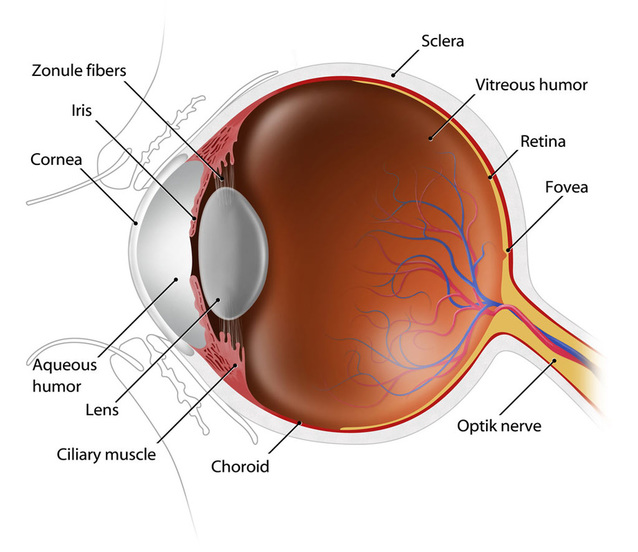
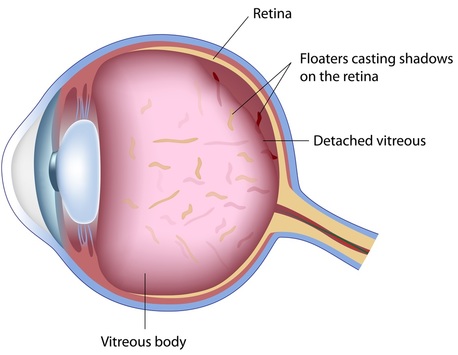
The inside of the eye contains a clear gel called the vitreous. With time, the vitreous can change, shrink, and pull away from the retina at the back of the eye.
This process can cause floaters and flashes. In many cases it settles without major harm, but sometimes the pulling can create a retinal tear.
A retinal tear can increase the risk of retinal detachment, which is why new flashes or floaters need proper assessment.
Symptoms that should be checked urgently
Please seek prompt advice if you notice any of the following:
Sudden new floaters
A sudden shower of floaters, many new dots, or a new large floater should be checked.
New flashes
New flashing lights, especially if they are frequent, one-sided, or happen during the day, should be assessed promptly.
Curtain or shadow
A dark shadow, curtain, veil, or missing area in the vision can be a warning sign of retinal detachment.
Blurred or reduced vision
Sudden blur, distortion, reduced vision, or vision loss with flashes or floaters needs urgent assessment.
Who is more at risk?
Flashes and floaters can happen to anyone, but some people have a higher risk of retinal tears or detachment.
Short-sightedness
People with moderate or high myopia may have a higher risk of retinal thinning, tears, or detachment.
Previous eye surgery or injury
Previous cataract surgery, significant eye injury, or trauma can increase the importance of checking new symptoms.
Retinal or health factors
A previous retinal tear or detachment, family history, diabetes, or eye inflammation may affect risk and urgency.
How flashes and floaters are checked
The most important step is checking the retina carefully for signs of a tear, bleeding, detachment, or other eye health issue.
Symptom history
We ask when symptoms started, whether they are new or changing, whether one eye or both eyes are affected, and whether there is any missing vision.
Retinal examination
The retina may need to be checked carefully, often with dilating drops to give a better view.
Imaging where useful
Retinal imaging or OCT may be used where appropriate, but imaging does not replace a careful retinal examination when symptoms are urgent.
Dilating drops may affect driving
If your pupils are dilated, your vision may be blurry and more sensitive to light for a while afterwards. It may be safer to bring sunglasses and avoid driving until your vision feels safe and clear again.
What happens next?
The next step depends on what is found during the eye examination.
No tear found
If no retinal tear or detachment is found, the symptoms may be monitored. You may be advised what changes to watch for.
Review may be needed
Sometimes a follow-up check is recommended, especially if symptoms are recent or changing.
Referral if needed
If a retinal tear, detachment, bleeding, or other significant concern is suspected, urgent specialist referral may be needed.
Do not wait for symptoms to settle if they are new
New flashes and floaters are worth checking early. Even if the cause turns out to be harmless, it is better to rule out retinal tear or detachment before waiting.
If symptoms are sudden, worsening, one-sided, or associated with a shadow, curtain, blur, or missing vision, please phone promptly.
Related eye health information
Flashes and floaters can overlap with other eye health topics.
Our eye exam standard
Our complete eye exam includes eye health checks, OCT, and retinal imaging.
OCT eye scans
OCT gives detailed imaging of the retina and macula and can be useful for many eye health checks.
Macula degeneration
Central blur or distortion can have causes other than flashes and floaters, including macula conditions.
Are floaters always serious?
No. Many floaters are harmless and become less noticeable over time. However, new or sudden floaters should be checked.
Are flashes always dangerous?
Not always, but new flashes can be linked with pulling on the retina and should be assessed.
Can a retinal tear be painless?
Yes. Retinal tears and detachments may occur without pain, which is why visual symptoms are important.
Can I book online for flashes and floaters?
For new or urgent symptoms, please phone us instead of relying on online booking so we can advise you appropriately.
New flashes or floaters?
Please phone us promptly if symptoms are new, sudden, worsening, or associated with a shadow, curtain, blur, or missing vision.
For urgent eye problems, sudden vision changes, flashes, floaters, eye pain, or injury, please phone us rather than using online booking.