Glaucoma
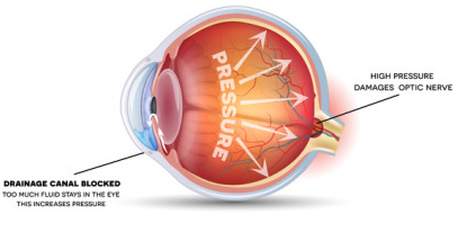
Glaucoma can damage the optic nerve and may cause permanent vision loss if not detected and managed.
Glaucoma is a group of eye conditions that affect the optic nerve, which carries visual information from the eye to the brain.
It is often linked with eye pressure, but glaucoma can sometimes occur even when eye pressure readings are not especially high. Because early glaucoma often has no obvious symptoms, regular eye health checks are important.
Glaucoma can damage the optic nerve
Why glaucoma matters
Glaucoma-related vision loss is usually permanent. The aim of detection and treatment is to reduce the risk of further damage.
Often no early symptoms
Many people with open-angle glaucoma do not notice symptoms in the early stages. Vision can feel normal even when changes are starting.
Peripheral vision can be affected
Glaucoma often affects side vision first. Because both eyes and the brain can compensate, early changes may not be obvious.
Early detection helps
Finding glaucoma earlier gives more opportunity for monitoring, treatment, and specialist care where needed.
You cannot reliably feel eye pressure
Eye pressure can be raised without pain or discomfort. A pressure check is useful, but glaucoma assessment also needs the optic nerve, visual field, and other risk factors to be considered.
How glaucoma can affect vision
Glaucoma often affects peripheral, or side, vision before central vision. This means the early changes may be hard to notice in everyday life.
Over time, untreated or progressing glaucoma can create blind spots, reduce the field of view, and make moving around, driving, or noticing objects to the side more difficult.
Vision already lost from glaucoma usually cannot be restored, which is why detection, monitoring, and treatment are important.
Sudden painful symptoms need urgent care
Most glaucoma is gradual, but some types can cause sudden symptoms. Severe eye pain, a red eye, cloudy or blurred vision, halos around lights, headache, nausea, or vomiting can be signs of an urgent eye problem.
If symptoms are sudden, painful, or worrying, please phone us promptly or seek urgent medical care rather than relying on online booking.
Glaucoma risk factors
Anyone can develop glaucoma, but some people have a higher risk and may need more regular monitoring.
Family history
Having a close family member with glaucoma can increase your risk. It is useful to tell your optometrist if glaucoma runs in your family.
Age
Glaucoma becomes more common with age, so routine eye health checks are especially important as people get older.
Eye and health factors
Eye pressure, optic nerve appearance, eye injury, some eye conditions, prescription, ethnicity, and general health can all affect risk.
How glaucoma is checked
Glaucoma assessment is not based on one test alone. Several pieces of information are considered together.
Eye pressure
Eye pressure is measured because raised pressure is an important risk factor for glaucoma.
Optic nerve assessment
The optic nerve is examined for signs of glaucoma-related change. This may include photography and OCT imaging.
Visual field testing
A visual field test checks side vision and can help detect or monitor glaucoma-related changes.
Our eye exam includes glaucoma checks
At Waipapa Eyecare, a complete eye exam includes an eye health check, eye pressure measurement, OCT, and retinal imaging. Depending on your risk factors and findings, visual field testing or referral may also be recommended.
OCT can help image the optic nerve and retinal nerve fibre layer, giving useful information for detecting and monitoring glaucoma-related change.
If glaucoma is suspected
The next step depends on the level of risk, the test results, and whether there are signs of progression.
Monitoring
If findings are borderline or risk is increased, further testing or repeat monitoring may be recommended.
Referral
If glaucoma is suspected or needs specialist care, referral to an eye specialist may be recommended.
Treatment
Glaucoma treatment may include eye drops, laser, or surgery. Treatment decisions are made with the clinician managing your glaucoma care.
Do not wait for symptoms
Because glaucoma can progress without obvious early symptoms, routine eye exams are important, especially if you have risk factors such as family history, increasing age, raised eye pressure, or previous suspicious results.
Related eye health information
Blurry vision, field loss, or eye health concerns can have more than one cause. A complete eye exam helps check the bigger picture.
OCT eye scans
OCT provides detailed 3D imaging that can help assess the optic nerve, macula, and retina.
Macula degeneration
The macula affects central detailed vision and is checked as part of a comprehensive eye health assessment.
Diabetic retinopathy
Diabetes can affect the blood vessels at the back of the eye and may need regular monitoring.
Can I have glaucoma without symptoms?
Yes. Open-angle glaucoma often has no obvious early symptoms, which is why routine eye exams are important.
Is glaucoma always caused by high eye pressure?
Raised eye pressure is an important risk factor, but glaucoma can sometimes occur even when pressure readings are not especially high.
Can glaucoma vision loss be reversed?
Vision already lost from glaucoma usually cannot be restored. Treatment aims to reduce the risk of further loss.
How often should I be checked?
It depends on your age, family history, eye pressure, optic nerve appearance, past results, and other risk factors. Your optometrist can recommend a suitable review interval.
Concerned about glaucoma?
You can book online, phone us, or call in and see us at Waipapa Eyecare.
For urgent eye problems, sudden vision changes, flashes, floaters, eye pain, or injury, please phone us rather than using online booking.