Dry Eye
Dry eye can make your eyes feel gritty, watery, irritated, tired, or uncomfortable.
Dry eye happens when the tear film does not keep the front surface of the eye comfortable and stable. This may be due to reduced tear production, poor tear quality, eyelid gland problems, or a mix of factors.
It can affect comfort, reading, screen use, contact lens wear, driving, and day-to-day vision quality.
What causes dry eye?
Dry eye is often caused by more than one factor. Understanding the cause helps guide the most useful management plan.
Tear quality
The tears may evaporate too quickly if the oily layer of the tear film is not working well.
Tear quantity
Some people do not produce enough tears to keep the eyes comfortable, especially as they get older or with certain health conditions.
Eyelid gland issues
The meibomian glands in the eyelids produce the oily part of the tear film. If they become blocked or inflamed, dry eye symptoms can occur.
Watery eyes can still be dry eyes
Dry eye does not always feel dry. Irritated eyes can sometimes water more as a reflex response, but the tear film may still be unstable or poor quality.
Possible symptoms of dry eye
Symptoms can vary from mild irritation to ongoing discomfort that affects reading, screen use, driving, or contact lens wear.
Dry, gritty, or scratchy eyes
Your eyes may feel dry, sandy, gritty, scratchy, burning, or like something is in them.
Watering or fluctuating vision
Vision may come and go, especially with screens, reading, wind, air conditioning, or long periods of concentration.
Redness and tired eyes
Dry eye can cause redness, tired eyes, light sensitivity, heavy eyelids, or discomfort later in the day.
The tear film matters
Each blink spreads a thin layer of tears across the front surface of the eye. This tear film helps keep the eye comfortable and the vision clear.
The tear film has different layers, including an oily layer that helps slow evaporation. If the tear film breaks up too quickly, the surface of the eye can become irritated and vision may fluctuate.
Dry eye management often aims to improve tear quality, reduce irritation, and support the eyelids and tear film.
Do not ignore painful or suddenly red eyes
Not every red, sore, watery, or irritated eye is dry eye. Eye pain, light sensitivity, sudden vision change, discharge, injury, a new one-sided red eye, or symptoms after contact lens wear should be assessed promptly.
If you are unsure, please phone us rather than waiting or relying on online booking.
Common dry eye triggers
Dry eye can be made worse by your environment, general health, medicines, screen habits, or eyelid inflammation.
Screens and concentration
People often blink less when using screens, reading, driving, or doing detailed tasks. Less blinking can allow the tear film to break up more quickly, making the eyes feel dry, tired, gritty, watery, or blurry.
Wind, dust, and air conditioning
Wind, fans, dry air, air conditioning, heating, and dusty environments can increase evaporation from the eye surface.
Health and medications
Dry eye can be associated with some health conditions, hormonal changes, eyelid conditions, and some medications.
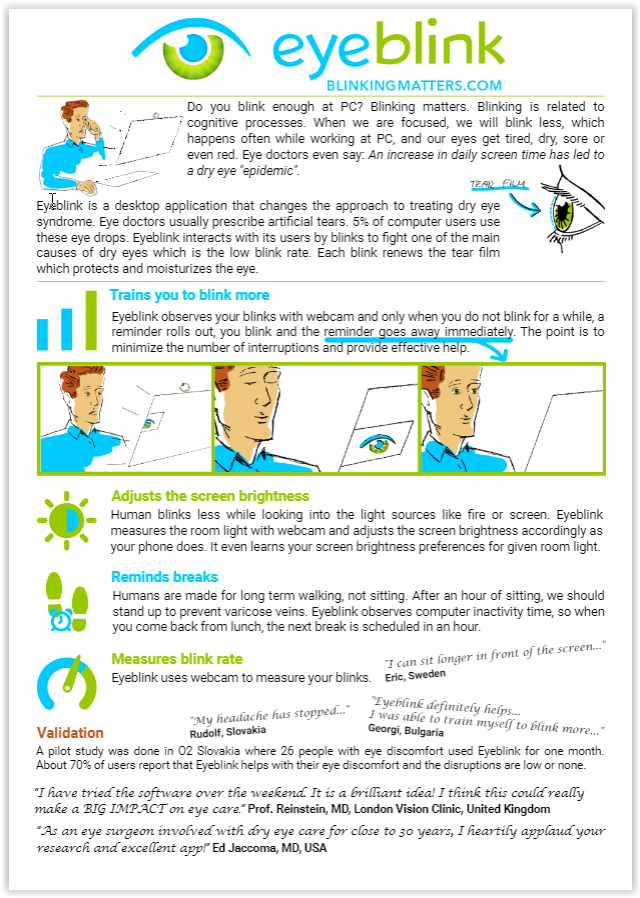
Screen use, blinking, and eyeBlink software
When we concentrate on screens, reading, or detailed close work, we often blink less often and may not blink fully. This can make the tear film evaporate faster and can worsen dry eye symptoms.
Regular breaks, conscious blinking, and setting up your screen so you are not staring upward can all help reduce tear evaporation. Some people also find blink-reminder software useful.
The eyeBlink software from Blink Matters is one option designed to remind computer users to blink and take breaks. It may be useful for people who spend long periods on screens, but it is not a replacement for an eye exam or personalised dry eye advice.
How dry eye may be managed
The best treatment depends on the type and severity of dry eye, the condition of your eyelids, and your symptoms.
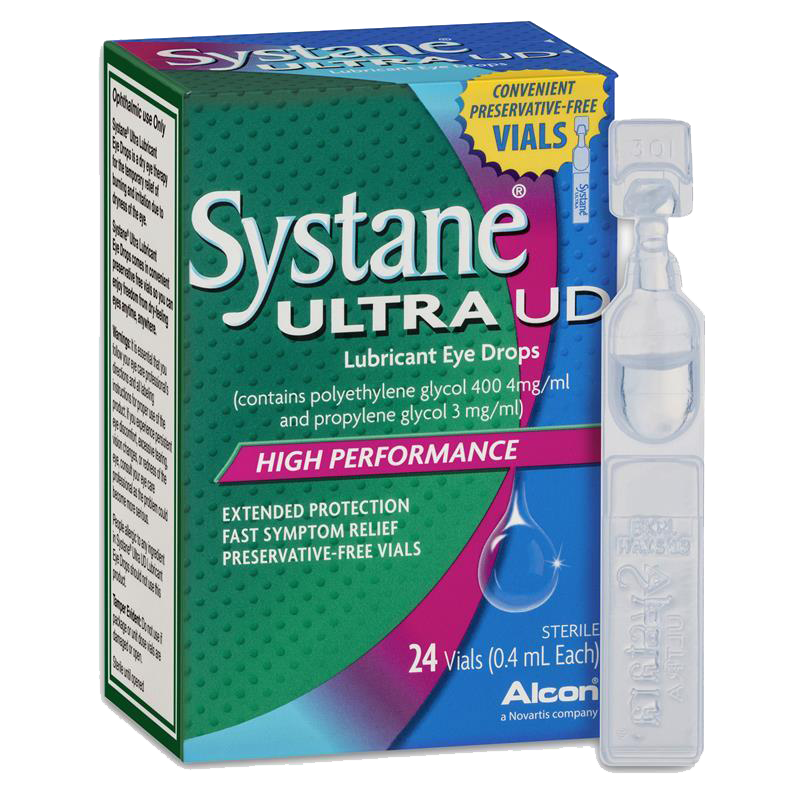
Lubricating eye drops
Artificial tears or lubricating drops can help many people. The best type depends on your symptoms, tear film, and how often you need them.
Lid care and warm compresses
If the eyelid glands are involved, warm compresses and lid hygiene may help support the oily layer of the tear film.
Environment and screen habits
Small changes such as blinking more often, taking screen breaks, and reducing direct airflow may help reduce symptoms.
Dry eye can be ongoing
Dry eye is often a long-term condition that needs ongoing management rather than a one-off quick fix. Some people need a simple plan, while others need more detailed treatment or referral.
We can assess the eyes and eyelids, discuss likely causes, and suggest a practical management plan.
When to book an eye exam
An eye exam can help check whether symptoms are due to dry eye or another eye condition.
Ongoing discomfort
Book an appointment if your eyes regularly feel dry, gritty, watery, irritated, red, or tired.
Contact lens discomfort
Dry eye can make contact lenses less comfortable. Contact lens wearers should not ignore pain, redness, discharge, or sudden changes.
Fluctuating vision
If your vision clears after blinking but then blurs again, the tear film may be part of the problem.
Can dry eye cause watering?
Yes. Irritated eyes can water as a reflex response, even when the tear film is unstable or not protecting the surface well.
Are all lubricating drops the same?
No. Different drops have different thickness, ingredients, and uses. Some are better suited to frequent use, contact lenses, or certain dry eye patterns.
Can screens make dry eye worse?
Yes. Screen use can reduce blink rate and increase tear evaporation, especially with long periods of concentration.
Can dry eye affect vision?
Yes. An unstable tear film can cause fluctuating or smeary vision, especially during reading, driving, or screen use.
Concerned about dry eye?
You can book online, phone us, or call in and see us at Waipapa Eyecare.
For urgent eye problems, sudden vision changes, flashes, floaters, eye pain, or injury, please phone us rather than using online booking.